

 See My Latest Article on HelloNation
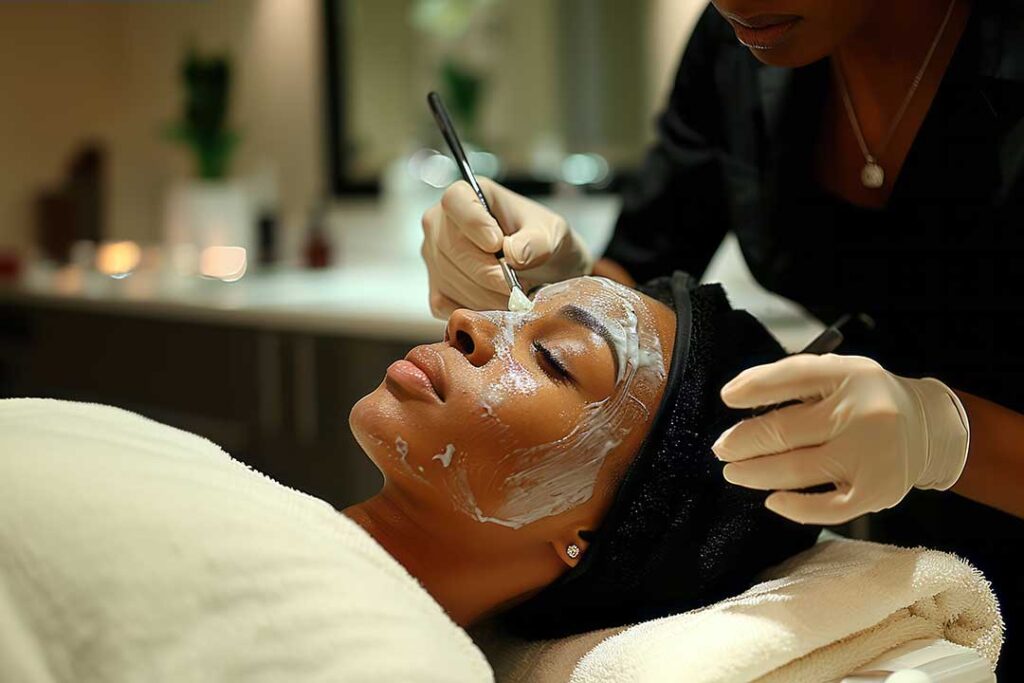
Air pollution can leave skin feeling dry, tight, irritated, or rough, especially when exposure combines with sunlight, cold air, and low indoor humidity. The most useful protection is usually simple: reduce buildup on the skin, support the skin barrier, limit unnecessary exposure, and continue using daily sun protection.
Pollution does not affect every person in the same way. Sensitive skin, eczema-prone skin, rosacea, and skin that is already dry may react more noticeably. Research has also linked traffic-related particulate matter and nitrogen dioxide with signs of premature skin aging, although individual risk depends on exposure, genetics, skin type, and other environmental factors. ([pubmed.ncbi.nlm.nih.gov](https://pubmed.ncbi.nlm.nih.gov/31927691/?utm_source=openai))
What does pollution do to the skin?
Pollution can deposit fine particles and reactive chemicals on exposed skin. These substances may contribute to oxidative stress, inflammation, and disruption of the outer skin barrier. Over time, that may show up as dullness, uneven tone, dryness, sensitivity, or increased visibility of fine lines. ([pmc.ncbi.nlm.nih.gov](https://pmc.ncbi.nlm.nih.gov/articles/PMC9320051/?utm_source=openai))
In Beachwood, seasonal conditions can add to this stress. Cold outdoor air, wind, road-treatment residue, and dry indoor heat may weaken the skin barrier, while warmer months can bring more sweating, outdoor activity, and exposure to airborne particles. The concern is not that every outdoor exposure causes damage; rather, repeated exposure can matter more when the skin is already irritated or inadequately protected.
Is washing the face enough to remove pollution?
Cleansing helps remove particles, sweat, excess oil, sunscreen, and other residue, but harsh or repeated washing can damage the barrier. A gentle, consistent routine is generally more helpful than aggressive scrubbing or frequent use of strong exfoliating products.
At night:
- Use lukewarm water rather than hot water.
- Choose a mild, fragrance-free cleanser if the skin is sensitive.
- Cleanse carefully around the hairline, jaw, nose, and eyelids without rubbing.
- Pat dry with a clean towel.
- Apply moisturizer soon afterward to reduce water loss.
A second cleanse is not automatically better. If the skin feels tight, stings after washing, or becomes flaky, the routine may be too drying. Micellar water, cleansing balms, or other alternatives can be useful for some people, but they should not leave a film that causes irritation or require vigorous rubbing to remove.
How can the skin barrier be strengthened?
A healthy barrier provides practical protection against environmental irritation. Moisturizers containing ingredients such as ceramides, glycerin, hyaluronic acid, petrolatum, or squalane may help reduce dryness and support the outer layer of the skin. The best choice depends on whether the skin is dry, oily, acne-prone, or easily reactive.
A simple morning routine might include:
1. Gentle cleansing or a water rinse, depending on skin type.
2. A plain moisturizer if the skin feels dry.
3. Broad-spectrum sunscreen with SPF 30 or higher.
At night, cleansing followed by moisturizer is often enough. Adding several “detoxifying” products can create more irritation without providing extra protection. There is no need to make the skin feel squeaky-clean.
Does sunscreen protect against pollution?
Sunscreen does not block all pollutants, but it remains essential because ultraviolet radiation can compound environmental skin stress. Air pollution and UV exposure may interact, and both are associated with premature changes in the skin. ([pubmed.ncbi.nlm.nih.gov](https://pubmed.ncbi.nlm.nih.gov/31927691/?utm_source=openai))
For everyday outdoor activity:
- Apply broad-spectrum SPF 30 or higher to exposed skin.
- Reapply after sweating, swimming, or extended outdoor time.
- Wear a hat and sunglasses when practical.
- Use clothing as a physical barrier during long periods outside.
Some sunscreens are tinted and contain iron oxides, which may be useful for people concerned about visible-light-related pigmentation. However, sunscreen should be selected for tolerability and regular use rather than for complicated marketing claims.
Should antioxidant skincare be used?
Antioxidant ingredients may help address oxidative stress, but they are optional rather than essential. Vitamin C, vitamin E, niacinamide, and certain plant-derived ingredients are commonly used in skincare formulated for environmental stress. Evidence varies by ingredient and product, and irritation can occur when several active products are combined.

A cautious approach is to introduce one new product at a time. Use a small amount on a limited area first, particularly if the skin is sensitive or has a history of eczema or contact dermatitis. Stop using a product that causes persistent burning, swelling, hives, or a worsening rash.
Antioxidant products cannot replace cleansing, moisturizer, sunscreen, or efforts to reduce exposure. They also cannot “pull toxins” from the skin in the way some product descriptions suggest.
What habits reduce exposure during poor air-quality days?
The most effective pollution strategy is exposure reduction, not a complicated topical routine. Check local air-quality information when smoke, haze, heavy traffic, or unusual odors are present. On days with elevated particle pollution, consider shortening strenuous outdoor exercise and keeping windows closed when outdoor air is visibly smoky or irritating.
At home:
- Avoid smoking indoors.
- Use kitchen ventilation while cooking.
- Change heating and cooling filters according to the system’s requirements.
- Keep frequently touched surfaces reasonably clean to reduce settled dust.
- Avoid adding fragranced sprays or aerosols if they trigger irritation.
A face covering may reduce inhalation exposure to certain particles when properly selected and fitted, but it is not a complete skin-protection method. Masks can also trap heat and moisture, potentially worsening acne or irritation. Wash reusable face coverings regularly and avoid tight, abrasive materials when possible.
Can indoor air affect skin?
Yes. Indoor air can contain particles from cooking, smoke, dust, cleaning products, candles, fireplaces, and tracked-in outdoor residue. Indoor dryness can also worsen itching and flaking, especially during colder months when heating systems are running frequently.
If the skin becomes uncomfortable during winter, a clean humidifier may help maintain more comfortable indoor humidity. Humidifiers require regular cleaning because poorly maintained units can disperse unwanted microorganisms or mineral residue. Moisturizer and gentle cleansing remain more reliable skin-care measures than relying on a humidifier alone.
When is irritation more than a routine problem?
Persistent redness, cracking, swelling, oozing, painful rash, worsening eczema, or symptoms around the eyes deserve medical attention. The same applies to a new reaction that does not improve after stopping a suspected product.
People with asthma, significant allergies, or respiratory symptoms should follow appropriate medical guidance during poor-air-quality events. Skin protection can reduce surface irritation, but it does not prevent the broader health effects of inhaled air pollution.
For most residents, a manageable routine is enough: cleanse gently at the end of the day, moisturize consistently, use sunscreen, avoid unnecessary exposure during poor-air-quality conditions, and treat persistent irritation as a health concern rather than something to scrub away.