
 See My Latest Article on HelloNation
How Does Stress Influence the Skin?
Stress has both direct and indirect effects on the skin’s health and appearance. When people experience stress, the body releases hormones like cortisol and adrenaline that trigger changes in the skin’s natural balance.
For many in Beachwood, stress may cause:
- Increased oil production, leading to breakouts or acne flares
- Heightened inflammation, which can aggravate conditions like eczema, rosacea, and psoriasis
- Slower wound healing, making it take longer for blemishes or irritations to resolve
- Disruption in the skin’s protective barrier, resulting in dryness, itchiness, or sensitivity
In the Midwest, the combination of long winters and the pressures of daily life can sometimes amplify these skin reactions. Stress doesn’t cause all skin problems, but it can make pre-existing issues more noticeable or persistent.
What Are Common Questions Residents Have About Stress and Skin Health?
Local residents often want to know:
- Why does my skin break out when I feel overwhelmed?
- Can emotional tension actually make lines or wrinkles worse?
- Are flare-ups of eczema or sensitive skin related to mental strain?
The answer: Yes, stress can be a trigger for all the above. When people worry or feel tense, the body’s natural response makes the skin more reactive and less able to repair itself efficiently. This doesn’t age the skin overnight, but over months or years, chronic stress may play a role in fine lines, dullness, or persistent redness.
What Everyday Habits Contribute to Stressed Skin?
Certain local routines—such as rushing through skincare or skipping moisturizing in colder months—can compound the effects of stress on the skin.
Examples include:
- Using harsh scrubs or cleansers that strip natural oils, especially after a stressful day
- Touching the face more often unconsciously, especially when anxious or distracted
- Forgetting to apply sunscreen during overcast Northeast Ohio seasons, which can worsen certain skin conditions
- Over-caffeinating or disrupted sleep schedules, both common for busy area households, which further decrease the skin’s ability to heal and protect itself
How Can Residents Recognize Stress-Related Skin Issues?
It’s not always easy to tell if skin symptoms are related to stress, particularly when Beachwood’s weather and seasonal factors can also dry or irritate the skin. However, certain signs can hint at a connection:
- Sudden increase in breakouts without other obvious causes
- Flushing or persistent redness, especially during emotionally charged times
- Itchiness, rashes, or eczema flares that coincide with major life events or busy periods
- Hair thinning or increased shedding following particularly stressful months
Not every flare-up is stress-related, but keeping a simple journal of skin symptoms and daily routines can provide helpful clues.
What Practical Steps Support Skin Health When Under Stress?
Supporting the skin during stressful times involves both direct care and lifestyle adjustments, especially suited to the needs of residents dealing with extreme weather or busy schedules.
- Maintain a gentle cleansing routine, using lukewarm water and mild, fragrance-free cleansers
- Moisturize consistently, paying close attention during dry or windy Beachwood months
- Avoid over-exfoliating, which can disrupt the skin's barrier, particularly if feeling rushed
- Practice regular, moderate movement—simple outdoor walks can help regulate stress hormones and promote healthier circulation
- Consider layering a humidifier into home routines during dry heating seasons to reduce skin moisture loss
- Prioritize sleep hygiene; even modest improvements in sleep can have visible effects over several weeks
- Seek out calming rituals like brief stretching, reading, or mindfulness activities, particularly before bed
Are There Stress Management Techniques That Benefit Skin Specifically?
Certain stress management strategies not only benefit overall well-being but have a direct influence on the skin’s appearance and comfort:
- Mindfulness meditation may decrease the frequency of flare-ups for conditions like psoriasis or eczema by lowering systemic inflammation
- Deep breathing exercises help slow the release of stress hormones, contributing to a calmer, less reactive skin barrier
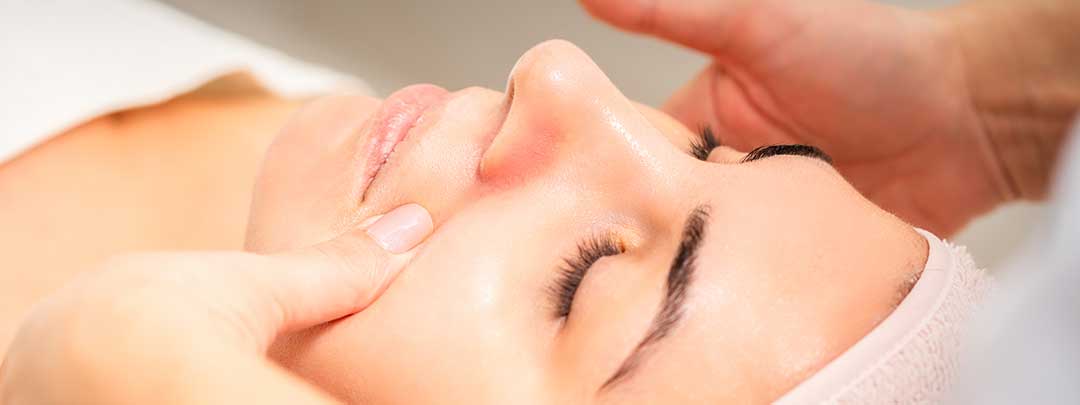
- Building enjoyable routines—like a weekly mask or self-care evening—reinforces healthy skin practices and offers regular moments of relaxation
While these approaches don’t replace medical interventions for diagnosed skin conditions, they are widely supported by evidence and can make a noticeable difference over time.
What Misconceptions Do People Have About Stress and Skin?
Many assume that only major life changes—like job loss or illness—bring on stress-related skin problems. In reality, everyday pressures and accumulations of small worries commonly impact the skin, even during ordinary weeks.
Another misconception is that stress always causes severe or visible reactions. Sometimes, the skin simply becomes slightly duller, more dehydrated, or slower to heal—subtle changes that build up quietly. Recognizing and responding to these early signs can be key for long-term complexion health.
How Does Local Climate and Lifestyle in Beachwood Affect Stress and Skin?
Seasonal temperature swings, extra time spent indoors during winter, and central heating all impact skin barrier function for area households. This local context means:
- Skin dehydration is common during long, dry heater seasons, and stress can amplify feelings of tightness or irritation.
- Outdoor allergens and sun exposure vary, making it important to adjust skincare routines seasonally.
- Busy residential lifestyles—balancing work, family, and indoor routines—may limit outdoor time, which can affect both mood and skin health.
Residents benefit from personalized routines that account for both internal stressors and local environmental factors, emphasizing gentle care and manageable stress relievers.