
 See My Latest Article on HelloNation
What changes in skin as people age?
Aging skin gradually becomes thinner, drier, less elastic, and more easily irritated. These changes are normal, but they vary widely based on genetics, hormone levels, sun exposure, medications, health conditions, and daily habits. ([nia.nih.gov](https://www.nia.nih.gov/health/skin-care/skin-care-and-aging?services=79&types=BSC.Blog&utm_source=openai))
The skin has several layers and functions. It helps regulate temperature, limits water loss, protects against germs, and provides sensation. With age, the outer layer may become thinner, oil and sweat production often decrease, and the skin may not repair itself as quickly after irritation or minor injury.
Common changes include:
- Fine lines and deeper wrinkles
- Drier or rougher texture
- Less firmness and elasticity
- More visible veins or bruising
- Uneven pigmentation or age spots
- Slower healing
- Increased sensitivity to fragrances, harsh cleansers, and weather extremes
These changes do not happen at one fixed age. Some people notice dryness or fine lines in early adulthood, while others see more significant changes later.
Why does skin become drier with age?
Older skin often produces less natural oil, which means it has more difficulty holding moisture. Hormonal changes can add to dryness, particularly during and after menopause. Indoor heating during Beachwood winters may also reduce humidity and make tightness, flaking, itching, or rough patches more noticeable.
A basic routine can help support the skin barrier:
- Use lukewarm rather than hot water.
- Choose a gentle, fragrance-free cleanser.
- Keep showers and baths reasonably short.
- Apply moisturizer shortly after washing, while the skin is still slightly damp.
- Use a cream or ointment if lotion does not relieve dryness.
- Wear gloves for household cleaning, gardening, or tasks involving detergents.
A moisturizer does not replace water intake, but it can reduce water loss from the skin’s surface. Creams and ointments are generally more protective than lightweight lotions for very dry skin. ([aad.org](https://www.aad.org/public/diseases/a-z/dry-skin-causes?utm_source=openai))
How does sun exposure contribute to aging?
Sun exposure is a major contributor to premature skin aging, also called photoaging. Ultraviolet radiation gradually damages collagen and elastic fibers, contributing to wrinkles, uneven color, loose skin, and rough or scaly areas. This exposure accumulates over many years, including during routine activities such as walking, driving, gardening, or sitting near windows. ([aad.org](https://www.aad.org/public/everyday-care/sun-protection/sun-damage-skin/wrinkles-sun-damage-can-be-treated/?utm_source=openai))
Sun protection remains useful throughout the year, including during cloudy days and the colder months. Snow and other bright surfaces can reflect ultraviolet light, while winter weather may make people less likely to think about sun exposure.
Practical protection includes:
- Broad-spectrum sunscreen rated SPF 30 or higher on exposed skin
- Reapplication about every two hours during extended outdoor activity
- Hats, sunglasses, and tightly woven clothing
- Shade during the strongest sunlight, often around late morning and early afternoon
- Avoiding tanning beds
Sunscreen is only one part of protection. Clothing and shade can be especially helpful for older adults whose skin bruises or irritates easily.
Is every wrinkle or dark spot a sign of a problem?
No. Wrinkles, mild dryness, and some age spots are common signs of aging. However, a new or changing spot should not automatically be assumed to be harmless.
Pay attention to a mark that:
- Changes in size, shape, or color
- Itches, bleeds, crusts, or repeatedly scabs
- Does not heal
- Becomes painful or unusually tender
- Looks different from other spots on the skin
Persistent rough, scaly areas may be caused by irritation, eczema, or sun damage, but some can represent precancerous changes. The American Academy of Dermatology notes that accumulated sun damage may lead to actinic keratoses, which can sometimes progress to skin cancer. ([aad.org](https://www.aad.org/public/everyday-care/sun-protection/sun-damage-skin/wrinkles-sun-damage-can-be-treated/?utm_source=openai))
Aesthetic care can support comfort and appearance, but it does not replace medical evaluation of a suspicious lesion, unexplained rash, infection, or wound that is slow to heal.
What should an older adult’s basic skin-care routine include?
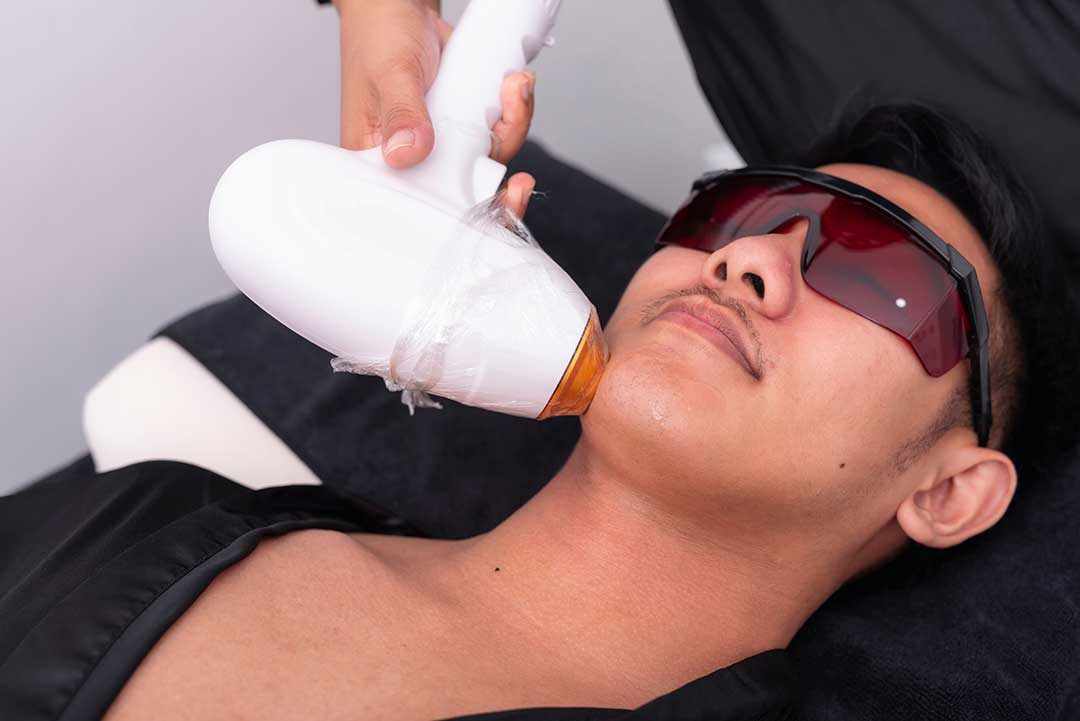
A simple routine is often more useful than a crowded shelf of products. The main goals are to protect the skin barrier, limit ultraviolet damage, and avoid unnecessary irritation.
A practical morning routine may include:
1. Gentle cleansing or a water rinse, depending on skin dryness.
2. Moisturizer suited to the skin’s texture and sensitivity.
3. Broad-spectrum SPF 30 or higher on exposed areas.
An evening routine may include:
1. Gentle removal of sunscreen and makeup.
2. Mild cleansing without scrubbing.
3. Moisturizer applied to slightly damp skin.
Introduce only one new active product at a time. Products marketed for wrinkles or uneven tone can irritate aging skin, especially when several are started together. The American Academy of Dermatology recommends focusing on one primary concern and allowing products time to work before adding others. ([aad.org](https://www.aad.org/public/everyday-care/skin-care-secrets/anti-aging/selecting-anti-aging-products?utm_source=openai))
Are exfoliation and facial treatments safe for aging skin?
They can be, but aging skin often needs a gentler approach. Frequent scrubs, rough brushes, strong acids, very hot steam, and aggressive extraction may worsen redness, dryness, or small surface injuries.
Signs that exfoliation is too frequent include:
- Burning or stinging after cleansing
- Persistent redness
- Increased flaking
- Tightness that returns quickly
- New sensitivity to products previously tolerated
Aesthetician education emphasizes observing the skin’s condition rather than treating age as a reason for stronger procedures. A person with thin, dry, reactive skin may need a different approach from someone with resilient, oilier skin. Recent sun exposure, prescription medications, retinoids, eczema, rosacea, and procedures can also affect how the skin responds.
Which lifestyle habits affect aging skin?
Skin reflects more than topical care. Smoking accelerates visible skin aging, and repeated tanning increases ultraviolet damage. Poor sleep, unmanaged health conditions, and inadequate nutrition may also affect skin appearance and repair, although no single food or supplement can stop natural aging.
Helpful habits include:
- Avoiding tobacco and tanning beds
- Eating a varied diet with adequate protein
- Staying physically active as medically appropriate
- Managing chronic conditions
- Sleeping consistently
- Protecting hands from cold, wind, cleaning products, and prolonged sun exposure
For residents adjusting routines around cold winters, indoor heat, and seasonal outdoor activity, moisturizing after handwashing and using a humidifier when indoor air is very dry may improve comfort. A humidifier should be cleaned according to its instructions to avoid spreading mold or microorganisms.
What is the most important principle?
Healthy aging skin does not require trying to erase every natural change. The most reliable foundation is gentle cleansing, regular moisturization, daily sun protection, and attention to changes that are unusual for that individual.
Aesthetician guidance can help explain skin type, product irritation, barrier support, and appropriate levels of exfoliation. Medical concerns—such as a changing mole, persistent rash, infection, unexplained bruising, or a wound that will not heal—belong with a qualified medical clinician.