

 See My Latest Article on HelloNation

Why Should Residents in Beachwood, OH Learn to Read Skincare Ingredient Lists?
Reading skincare ingredient lists empowers local residents to make informed choices suited to personal needs and the area’s seasonal weather. Many in the community have questions about whether a product is safe, suitable for specific skin types, or compatible with the region’s cold, dry winters and humid summers. Knowing how to decipher these lists can provide peace of mind and help you avoid common pitfalls.
What Is Required on a Skincare Label in the United States?
Federal law requires skincare products to display important details, but the layout can sometimes confuse shoppers. Look for these key elements:
- Ingredient list, typically on the product box or bottle
- Net quantity and usage instructions
- Manufacturer details
- Expiration or period-after-opening symbol
The ingredients are listed in descending order by concentration up to 1%, after which anything below that level may appear in any order. This means ingredients toward the top of the list are present in higher amounts.
How Can You Quickly Assess the Safety of a Product?
The quickest way to check safety is to spot potential irritants or allergens, especially if you have sensitive skin or specific concerns. Residents in Beachwood sometimes experience dry, sensitive skin during the winter months, so being able to avoid harsh alcohols, fragrances, or certain preservatives becomes especially important.
Common irritants to watch for include:
- Synthetic fragrances (often listed as "parfum")
- Denatured alcohol (sometimes just “alcohol”)
- Certain sulfates (like sodium lauryl sulfate)
If you have allergies or conditions such as eczema, keep a personal list of trigger ingredients handy when browsing labels.
Do “Natural” or “Hypoallergenic” Labels Guarantee Gentleness?
Terms such as “natural,” “organic,” or “hypoallergenic” are not strictly regulated. These words can be used for marketing purposes and may not reflect the true formulation. Residents aiming for simple solutions should dig past these terms and focus on the full ingredient list to judge a product’s actual gentleness. Botanical ingredients—like chamomile or green tea—are sometimes present in low concentrations or alongside harsher synthetics.
How Do You Identify the Active Ingredients in Treatments?
Sunscreens, acne treatments, and anti-aging creams are required to list active ingredients separately—often in bold or in a separate box on the label. These are the components designed to carry out the product’s main function.
Examples:
- Sunscreens: actives like zinc oxide or avobenzone
- Acne: benzoyl peroxide or salicylic acid
- Anti-aging: retinol or peptides
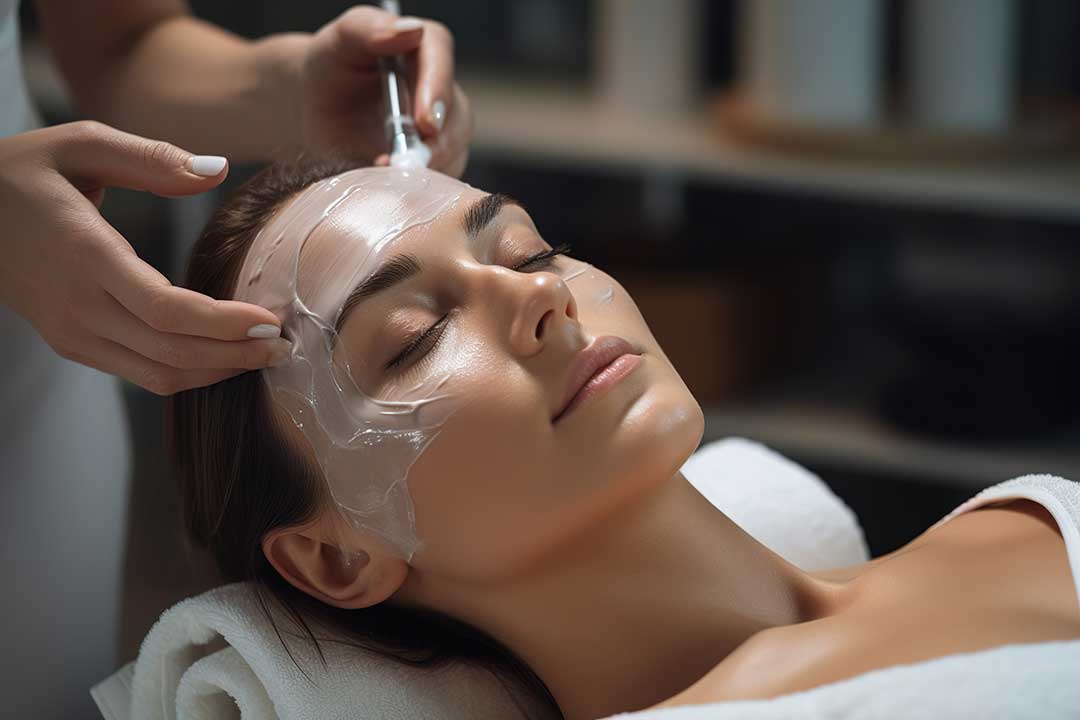
In Beachwood, with its mix of sun exposure in summer and heating in winter, recognizing whether these actives are present in meaningful quantities can affect the product’s effectiveness and suitability for your daily routine.
Are “Key Ingredients” the Same as What’s Listed First?
Not always. “Key ingredients” are often highlighted by brands for marketing appeal and may be present only in small amounts. On ingredient lists, look for where these ingredients actually appear: higher up means more of the substance is present. For example, a moisturizer advertising hyaluronic acid as a key component should have it listed before the preservatives or fragrances.
How Can You Spot Fragrance, Preservatives, and Fillers?
Understanding which ingredients are fragrances, preservatives, or fillers helps you avoid unwanted reactions. Common fragrance terms include “parfum” or “fragrance.” Preservatives can include parabens, phenoxyethanol, or potassium sorbate. Fillers—such as mineral oil, petrolatum, or silicones—may not be harmful, but some residents prefer to minimize them for particular skincare goals.
If you are seeking unscented products, remember that “fragrance-free” and “unscented” do not mean the same thing. “Fragrance-free” contains no added scent, while “unscented” may contain masking fragrances.
Why Does Weather and Environment Matter in Beachwood?
Residents of Beachwood experience temperature swings, dry heated air in winter, and high humidity in summer. This affects skin hydration and how products perform. During dry months, occlusives (like shea butter or petrolatum) and humectants (like glycerin or hyaluronic acid) may be desirable near the top half of the ingredient list. In humid or hot weather, lighter emollients or gel-based formulas are often better tolerated and less likely to cause breakouts. Reading the list allows you to select a texture and composition that aligns with local seasonal conditions.
What Are the Most Overlooked Details on Labels?
One overlooked detail is the order of preservatives and fragrance components. If these are low on the list, the product is less likely to irritate sensitive skin. Another is the appearance of essential oils—not always safer for sensitive types, especially if found higher in the ingredient list.
Look for expiration dates or a “period after opening” symbol (an open jar icon with a number, like 6M or 12M). Beachwood’s seasonal changes can shorten a product’s shelf life, as exposure to temperature fluctuations may degrade certain ingredients.
How Can You Keep Track of Ingredient Reactions?
When testing new products, especially with changing indoor humidity and heating, residents can use a small notebook or phone reminder list to track which products cause redness, breakouts, or dryness. Retain product boxes or snap a photo of the ingredient label for reference if you notice reactions later. Patch testing on a small area behind the ear or arm before full use gives additional reassurance, reducing the risk of irritation.
Where Can Residents Find Reliable Additional Information?
For ingredients you don’t recognize or want more details about, consider looking up ingredient databases through reputable public health or dermatology organizations rather than relying solely on product marketing. Pharmacies and local clinics sometimes offer educational pamphlets. Neighbors who have navigated similar skin concerns in the city’s unique climate may also share firsthand advice—but always double-check before drawing conclusions.