

 See My Latest Article on HelloNation
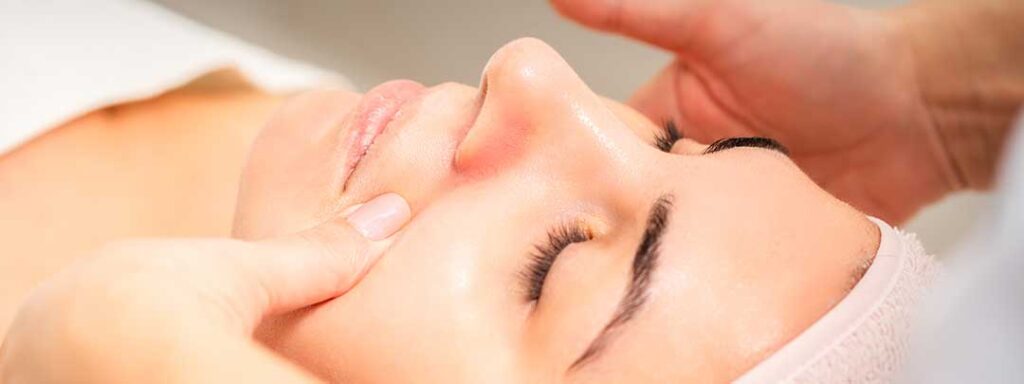
Healthy-looking skin depends on more than drinking water. Skin hydration is influenced by the moisture already present in the outer skin layer, the strength of the skin barrier, indoor humidity, cleansing habits, sun exposure, and the products applied afterward. For residents of Beachwood, OH, seasonal shifts between cold outdoor air and heated indoor spaces can make moisture loss more noticeable, especially during winter.
What does hydrated skin actually mean?
Hydrated skin has enough water in its outer layers to feel flexible, smooth, and comfortable. It is different from oily skin. A person can have oily or acne-prone skin that is still dehydrated, meaning the skin lacks water even though it produces oil.
Common signs of dehydration include:
- Tightness after washing
- Fine lines that appear more visible
- Dull or rough texture
- Flaking around the nose, cheeks, or mouth
- Increased sensitivity to products
- Makeup that settles unevenly
Healthy skin also needs a protective barrier made of natural oils, lipids, and skin cells. This barrier helps slow the loss of water from the surface. A routine that removes too much oil or causes repeated irritation can leave skin dehydrated even when a person drinks plenty of fluids.
Does drinking more water improve skin?
Drinking enough water supports overall health, but increasing water intake beyond normal needs does not automatically create glowing skin. Skin hydration is affected more directly by the condition of the skin barrier and the environment surrounding it.
A practical approach is to drink regularly throughout the day and pay attention to thirst, activity, heat, and medical guidance. Water-rich foods such as fruits, vegetables, soups, and yogurt can also contribute to daily fluid intake.
Excessive water consumption is not a skin-care treatment and can be unsafe. People with kidney, heart, or other medical conditions that affect fluid balance should follow individualized advice from a qualified health professional.
How should moisturizer be used for better hydration?
Moisturizer works best when applied while the skin is still slightly damp. After cleansing, gently pat the skin rather than rubbing it completely dry, then apply moisturizer within a few minutes. This helps hold some of the water at the skin’s surface.
The most useful moisturizer texture depends on the person’s skin and the season:
- Lotions are lightweight and may suit normal or mildly dry skin.
- Creams contain more oil and are often better for dry or sensitive skin.
- Ointments provide the strongest moisture barrier and can help very dry areas, though they may feel heavy.
- Gels can feel comfortable for oily skin but may not provide enough protection during dry weather.
Look for fragrance-free formulas when the skin is irritated or easily reactive. Ingredients such as glycerin, hyaluronic acid, ceramides, dimethicone, and petrolatum can help attract or reduce the loss of water. No single ingredient is required for everyone, and a simple routine is often easier to maintain than a crowded one.
Can cleansing habits make skin drier?
Yes. Long, hot showers and harsh cleansers can remove protective oils from the skin. During colder months, this effect may be more noticeable because outdoor air is drier and indoor heating lowers humidity.
Try keeping showers and baths brief, using warm rather than hot water. A gentle, fragrance-free cleanser is usually sufficient for the face and areas that need regular washing. The entire body does not need aggressive scrubbing every day.
After bathing:
1. Pat the skin dry with a soft towel.
2. Apply a cream or lotion while the skin remains slightly damp.
3. Add a thicker layer to rough areas such as the hands, elbows, knees, heels, and lips.
4. Reapply after handwashing if the hands feel tight or cracked.
Exfoliation can temporarily smooth rough texture, but frequent scrubbing, strong acids, or abrasive brushes may weaken the barrier. If skin is burning, peeling, or unusually sensitive, pause exfoliating products until it feels comfortable again.
How can indoor air affect skin hydration in Beachwood?
Heating systems can create dry indoor air during the colder part of the year. Repeated movement between cold outdoor conditions, heated homes, offices, schools, and vehicles may leave the skin feeling tight even when the weather does not seem especially dry.
A home humidity monitor can help identify whether indoor air is unusually dry. A humidifier may be useful in a bedroom or other frequently occupied space, but it should be cleaned and maintained according to its instructions. Dirty humidifiers can distribute unwanted particles into the air.
Other simple adjustments include:
- Keeping indoor temperatures comfortable rather than excessively warm
- Protecting the face and hands from cold wind
- Wearing gloves outdoors during cold weather
- Applying hand cream after washing
- Using lip balm or a plain protective ointment for chapped lips
- Avoiding direct exposure to fireplaces, space heaters, or strong heat vents
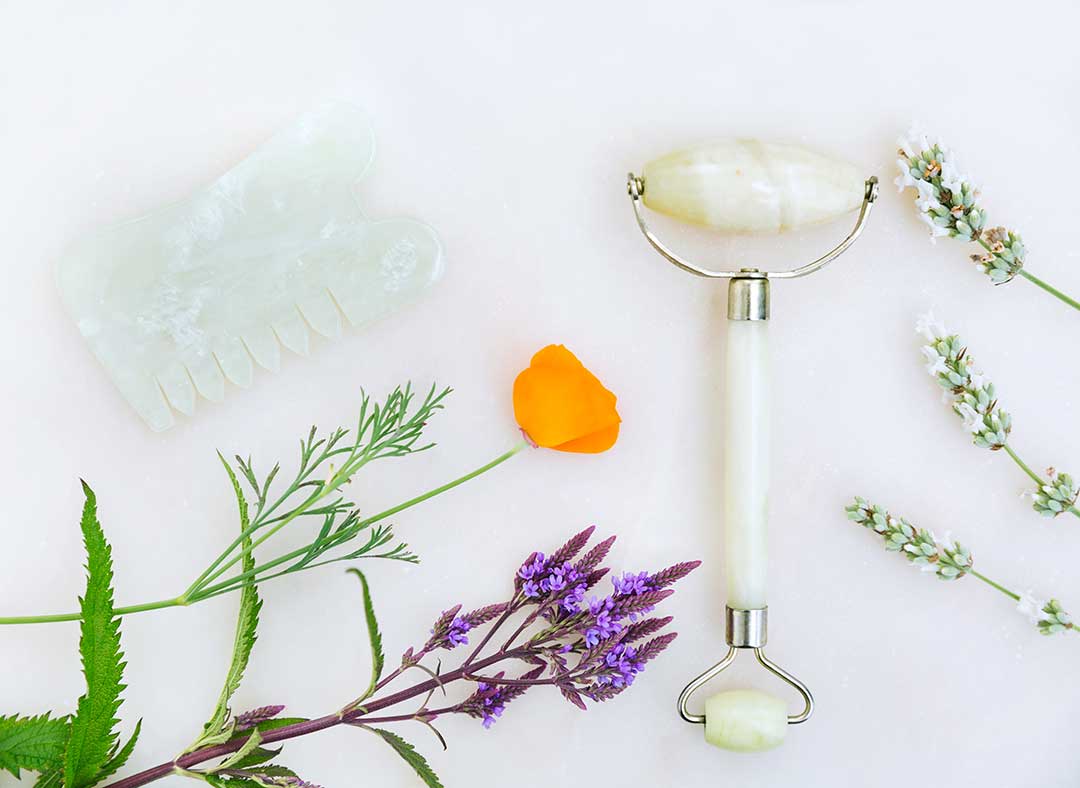
Seasonal dryness can also affect people who spend much of the day indoors, particularly older adults and anyone with eczema or naturally sensitive skin.
What should change in a daily skin-care routine?
A basic hydration-focused routine does not need many steps.
Morning: Cleanse gently if needed, apply moisturizer, and use broad-spectrum sunscreen with an SPF of 30 or higher on exposed skin. Sun protection matters throughout the year because ultraviolet exposure can contribute to dryness, uneven tone, and premature skin aging.
Evening: Remove makeup and sunscreen without scrubbing, cleanse gently, and apply moisturizer while the skin is slightly damp. Drier areas may benefit from a cream or ointment layered over the usual moisturizer.
During winter, some people need a richer cream. During humid summer weather, a lighter texture may feel more comfortable. Sweat, sunscreen, pool water, and frequent outdoor activity can also irritate the skin, so rinsing gently and moisturizing afterward may help.
Which hydration mistakes are common?
Several popular habits can make dryness worse rather than better:
- Washing the face repeatedly to remove oil
- Using very hot water because it feels soothing
- Applying astringents or alcohol-heavy products to “tighten” the skin
- Exfoliating flaky skin aggressively
- Assuming oily skin does not need moisturizer
- Changing several products at once
- Applying moisturizer only when the skin is already cracked
- Treating burning or persistent redness as ordinary dryness
A moisturizer should feel comfortable. Stinging, swelling, hives, or worsening redness may signal irritation or an allergic reaction.
When is persistent dryness more than a hydration problem?
Dryness that continues despite gentle care may be related to eczema, contact dermatitis, psoriasis, medication effects, thyroid disorders, diabetes, or another skin condition. Cracks that bleed, open sores, widespread itching, painful redness, oozing, or signs of infection deserve medical evaluation.
Skin that repeatedly reacts to common products may also need a more carefully limited routine. Keeping track of new products, detergents, weather changes, and symptoms can help identify patterns.
For most local households, the most dependable hydration strategy is consistent: use warm rather than hot water, cleanse gently, moisturize damp skin, protect against cold and sun, and adjust the routine as indoor conditions and seasons change.